
Becoming a Make up Artist: Essential Skills for Beginners
5/9/20268 min read

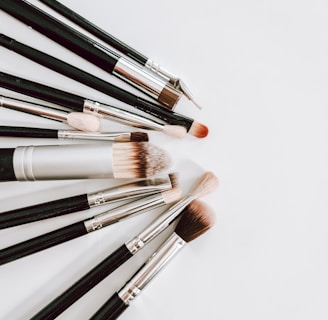
How to Become a Makeup Artist: 12 Essential Skills Every Beginner Should Learn
Do you love makeup, enjoy experimenting with new looks, and keep hearing people say, “You should do this professionally”?
Then chances are, you’ve already thought about becoming a makeup artist.
But getting started can feel overwhelming.
There are endless products, brushes, techniques, tutorials, trends, and career paths. Foundation, contouring, eye makeup, skincare, color theory, bridal makeup, photoshoots — where are you even supposed to begin?
The good news is: you don’t need to know everything before you start.
You also don’t need the biggest makeup kit, the most expensive products, or perfect Instagram-worthy looks.
What matters much more in the beginning is learning the right foundations and understanding why professional makeup works, instead of simply copying individual looks.
If you want to become a makeup artist, these are 12 essential skills every beginner should start learning.
1. Skin Preparation: The Foundation of Every Great Makeup Look
Professional makeup starts long before foundation.
Many beginner makeup artists immediately focus on products like foundation, concealer, eyeshadow, or contour. But the way you prepare the skin can completely change how makeup looks and how long it lasts.
A beautifully prepared complexion helps products blend more smoothly, prevents makeup from looking heavy, and creates a more natural finish.
As a beginner, you should learn:
How to identify different skin types
Which skincare products work underneath makeup
When primer is actually useful
How to prepare dry skin
How to prepare oily skin
How hydration affects foundation
Why using less product can often create a better result
Professional makeup doesn’t begin with color.
It begins with understanding the skin.
When the skin is properly prepared, foundation applies more evenly and the entire makeup look immediately appears more polished.
2. Learn How to Choose and Apply Foundation
Foundation is one of the most important skills for any aspiring makeup artist — and one of the areas beginners often struggle with most.
You might already know the problem.
The foundation looks too orange, too pink, too heavy, patchy, or completely different from the client’s neck.
That’s why understanding foundation goes far beyond simply owning several shades.
You should learn how to:
Recognize warm, cool, neutral, and olive undertones
Match foundation correctly
Understand different levels of coverage
Choose formulas for different skin types
Apply foundation with brushes, sponges, or other tools
Blend foundation seamlessly into the skin
Adjust coverage depending on the occasion
A natural daytime makeup look requires something different from bridal makeup, photography makeup, or an editorial shoot.
As a professional makeup artist, you won’t only work on your own skin.
You’ll work with different skin tones, textures, ages, concerns, and preferences.
Understanding how foundation works is therefore much more valuable than simply collecting products.
3. Concealer, Color Correction and Natural Coverage
Concealer is much more than a lighter product applied underneath the eyes.
Used correctly, concealer and color correction can help neutralize dark circles, cover redness, disguise blemishes, and create a fresher-looking complexion.
As a beginner makeup artist, learn:
When to apply concealer before or after foundation
How to correct dark circles
Which colors neutralize different discolorations
How to cover blemishes without creating heavy texture
How to avoid cakey under-eyes
How to spot conceal
How to set makeup without making the skin look dry
One of the biggest differences between beginner and professional-looking makeup is often product placement.
You don’t necessarily need more coverage.
You need the right amount of coverage in the right places.
Especially when working with clients, the goal usually isn’t to completely cover the skin. It’s to make the complexion look more even, fresh, and polished while still allowing the person to look like themselves.
4. Understand Contour, Bronzer, Blush and Highlighter
Contour is one of those techniques beginners either avoid completely or use far too heavily.
But professional contouring isn’t about changing someone’s entire face.
It’s about subtly supporting the natural facial structure.
Understanding the difference between these four products is essential:
Contour: Creates the appearance of shadow and definition.
Bronzer: Adds warmth and dimension.
Blush: Brings freshness and life back into the complexion.
Highlighter: Adds light to selected areas of the face.
You should also learn how placement changes depending on face shape.
A technique that looks beautiful on one person might not suit another person at all.
Professional makeup artists don’t simply copy the same Instagram placement on every client.
They observe the face first and adapt the makeup accordingly.
5. Shape and Define Eyebrows Naturally
Eyebrows frame the entire face.
Even a beautifully executed makeup look can feel unbalanced if the brows are too dark, too harsh, or shaped incorrectly.
As a beginner, practice:
Recognizing the natural brow shape
Filling sparse areas without creating harsh lines
Choosing an appropriate brow color
Creating hair-like strokes
Avoiding overly blocky brows
Understanding pencils, powders, pomades and gels
Adjusting the brow style to the overall makeup look
For many clients, natural-looking brows are especially important.
The goal is usually to create definition without making the eyebrows look obviously drawn on.
6. Master Eyeshadow Blending
If you want to become a makeup artist, blending is one of the skills you should practice repeatedly.
Beautiful eyeshadow looks often come down to clean transitions.
You should understand how to:
Apply a transition shade
Build depth through the crease
Layer colors gradually
Avoid harsh edges
Combine matte and shimmer textures
Work with different eye shapes
Control product placement
Use the correct brush for each step
One of the most common beginner mistakes is applying too much product at once.
Professional-looking eyeshadow is usually built gradually.
Start with a small amount of product, blend, assess the result, and add more if necessary.
You can always build intensity.
Removing too much pigment is much harder.
7. Eyeliner and False Lashes: Small Details That Make a Big Difference
Eyeliner can completely change the appearance of the eyes.
It can make them look more lifted, defined, dramatic, elongated, or subtle.
But you don’t need to master the perfect dramatic wing on day one.
A much more useful skill is learning how different eyeliner shapes work with different eyes.
Practice:
Tightlining
Soft pencil liner
Classic eyeliner
Winged liner
Smudged liner
Adjusting liner to hooded or deep-set eyes
Lashes are another important part of many professional makeup looks.
Learn how to:
Apply mascara cleanly
Curl lashes safely
Measure false lashes
Trim lash strips
Apply lash glue correctly
Position false lashes comfortably
Choose between natural and dramatic lash styles
False lashes are especially common in bridal makeup, events, photography, and more glamorous client work.
8. Create Clean, Long-Lasting Lip Makeup
Lip makeup is often underestimated.
But uneven lip liner or messy edges can quickly make an otherwise polished makeup look appear unfinished.
As a beginner makeup artist, learn how to:
Prepare dry lips before applying makeup
Create clean lip lines
Use lip liner correctly
Balance uneven lip shapes
Choose colors that complement the overall look
Layer lip products
Improve the longevity of lipstick
When working with clients, comfort also matters.
A lip combination shouldn’t only look beautiful when you take the final photo.
It should ideally remain wearable throughout the event.
9. Learn Color Theory
Professional makeup artistry isn’t just about knowing how to apply products.
You also need to understand why certain colors work together.
Color theory helps you make more intentional decisions.
It can teach you:
Which colors enhance different eye colors
Which shades complement warm skin tones
Which shades complement cool skin tones
How undertones affect makeup choices
How complementary colors work
How to create harmonious color combinations
When contrast can make a look more interesting
Why certain shades can make someone appear tired or washed out
This becomes especially important when you start working with clients.
A beautiful makeup look isn’t simply a collection of trendy products.
It should complement the individual person wearing it.
10. Learn Professional Makeup Hygiene
If you want to work on other people, hygiene is non-negotiable.
This is something you should start practicing from the beginning — even when you’re only working on friends or models.
You should know:
How to properly clean and disinfect brushes
How to keep your workspace clean
Why mascara should not be applied directly from the same wand to multiple clients
How to use disposable applicators
How to remove products hygienically from their packaging
How to sanitize products and tools appropriately
How to avoid unnecessary cross-contamination
Being a professional makeup artist isn’t only about creating beautiful looks.
It also means working responsibly, hygienically, and in an organized way.
Clients need to feel safe in your chair.
11. Build a Smart Beginner Makeup Artist Kit
One of the biggest mistakes aspiring makeup artists make is buying far too many products at the beginning.
It’s understandable.
Once you start learning about makeup artistry, suddenly every new foundation, palette, brush, and lip color looks like something you “need.”
But you don’t need a huge professional kit when you’re starting out.
You need a versatile kit.
A beginner makeup artist kit could include:
Several adaptable foundation shades or mixing products
Concealers
Setting powder
Bronzer
Contour
Blush
Highlighter
A versatile neutral eyeshadow palette
Black and brown eyeliner
Mascara
Brow products
Several lip liners and lip colors
Reliable makeup brushes
Disposable applicators
Hygiene and sanitation products
Try to choose products that allow you to create several different looks rather than products you can only use for one specific style.
Versatility is much more valuable than quantity.
If you’re currently building your first professional kit, you may also want to read my Makeup Artist Kit for Beginnersguide, where I break down what you actually need — and what you can skip in the beginning.
112. Practice, Document Your Work and Start Building a Portfolio
If you want to become a makeup artist, there is one thing you cannot avoid:
Practice.
And lots of it.
But try not to practice exclusively on yourself.
Working on your own face is useful, but professional makeup artistry means adapting to different people.
Practice on friends, family members, models, or other creatives.
Try to work on:
Different skin types
Different skin tones
Different ages
Different face shapes
Different eye shapes
Different brow shapes
Different makeup preferences
Every new face teaches you something.
And start documenting your work early.
Your first photos don’t need to be perfect.
They allow you to track your progress and can eventually become the foundation of your first makeup artist portfolio.
When photographing your work, pay attention to:
Good natural light
Clean backgrounds
Consistent angles
Close-up photos
Skin texture
Eye makeup details
Before-and-after images
Minimal and natural editing
Avoid heavily filtering your work.
Potential clients want to understand what your makeup actually looks like.
Do You Need a Makeup Course to Become a Makeup Artist?
You can absolutely learn a lot through free tutorials, practice, YouTube videos, social media, books, and experimentation.
The biggest challenge with learning completely on your own is usually not the amount of information available.
It’s the lack of structure.
You watch one video about foundation.
Then another about cut creases.
Then bridal makeup.
Then contouring.
Then suddenly you’re trying to recreate an advanced look without fully understanding the fundamentals underneath it.
That can make learning much more frustrating than it needs to be.
How to Become a Makeup Artist: Start With Strong Foundations
If you want to become a makeup artist, you don’t need a giant makeup kit, hundreds of products, or perfectly polished social media content before you begin.
Start by understanding the essentials:
Skin preparation
Foundation and concealer
Contour, bronzer and blush
Eyebrows
Eyeshadow blending
Eyeliner and lashes
Lip techniques
Color theory
Hygiene
Working professionally
Building a versatile kit
Practicing on different faces
Once those foundations become second nature, it becomes much easier to explore more specialized areas of the industry.
That could include:
- Bridal makeup
- Editorial and fashion makeup
- Film and TV
- Commercial shoots
- Events
- Beauty campaigns
Or eventually building your own freelance makeup artist business.
And remember: your technique doesn’t have to be perfect before you start.
It needs to keep improving.
Practice regularly.
Pay attention to what works.
Take photos.
Analyze your results.
Learn how different products behave.
And most importantly, learn how to adapt your technique to the person sitting in front of you.
Because clients aren’t simply booking foundation, eyeshadow, and lipstick.
They’re booking your skill, judgment, professionalism, and ability to make them feel confident in the finished result.
The stronger your technique becomes, the more confident you can become in your work.
That can help you build better portfolio images, attract clients, receive recommendations, and eventually charge more confidently for your services.
Every technique you learn today becomes another tool you can use tomorrow.
And one day, it might be exactly what makes a client choose you, recommend you, or book you again.
Good luck with your journey!
Viv